Southern Restaurant Favorites You Need to Try
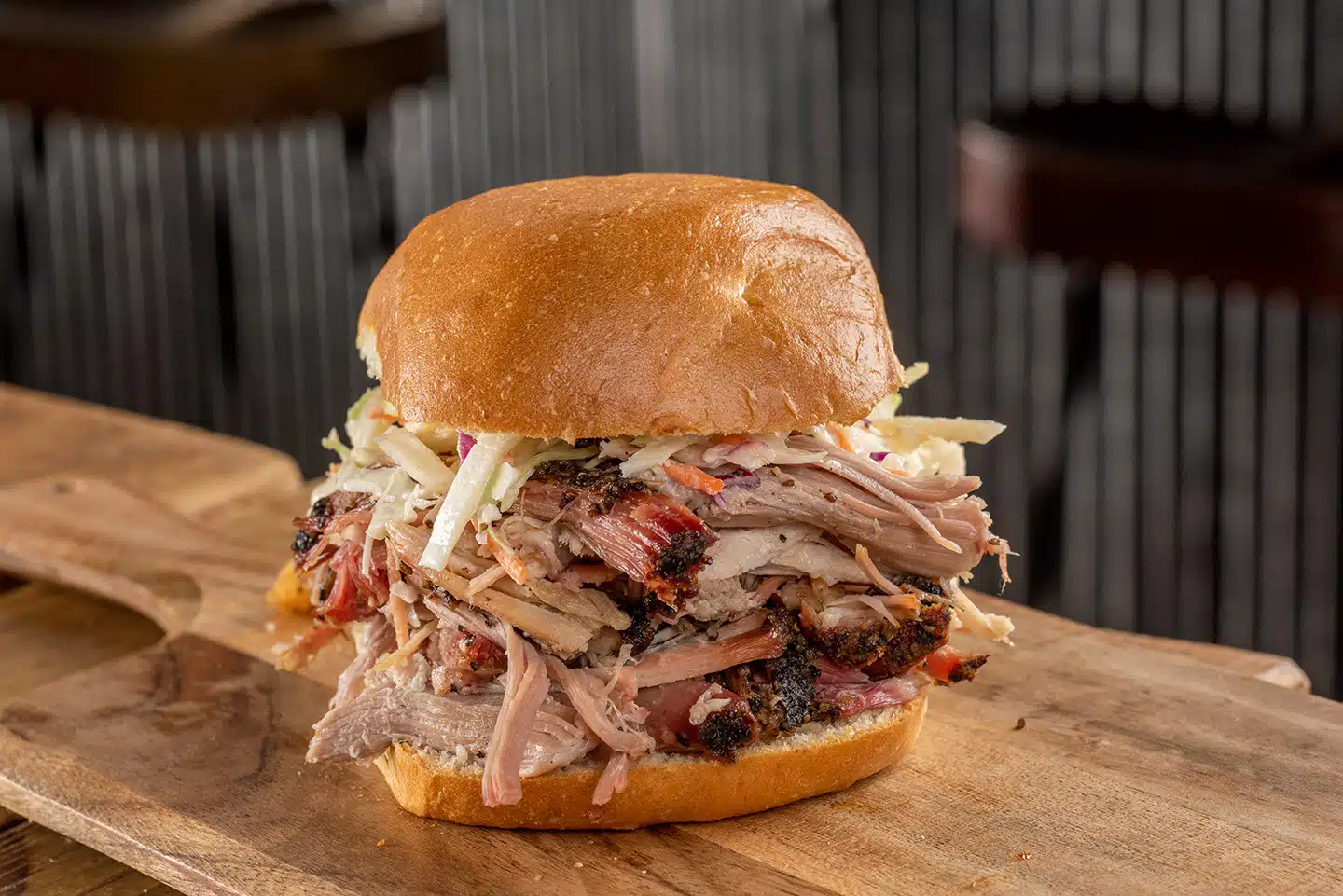
Walk into a good Southern restaurant and you can usually tell within a minute whether the kitchen understands the assignment. The room might be polished or plain, the plates might come out on white china or heavy stoneware, but the signals are clear. You smell stock simmering, something frying in clean oil, biscuits coming out of the oven, onions softening low and slow. The menu reads like a family argument that somehow ended in peace: fried chicken beside shrimp and grits, collard greens next to mac and cheese, banana pudding competing with pecan pie.
Southern food gets flattened too often into a few clichés. People talk about it as if it were one thing, but the truth is messier and far more interesting. The cooking of the Lowcountry is not the same as what you find in Kentucky, East Texas, Mississippi, or coastal North Carolina. A Southern restaurant might lean hard into Southern restaurant smoke and spice, or it might be more restrained, with careful gravies, long-cooked beans, and vegetables treated with as much respect as the meat. The best ones know that comfort does not mean carelessness.
If you are deciding what to order, or trying to understand which dishes really define a strong Southern kitchen, there are a handful of favorites that deserve your attention. Some are famous enough to be expected. Others look simple on paper and end up being the plate that tells you the most about the cook behind the pass.
Fried chicken that earns its reputation
A lot of restaurants serve fried chicken. Far fewer serve great fried chicken. At a serious Southern restaurant, this dish is less about novelty than discipline. The seasoning has to reach the meat, not just sit on the crust. The breading should cling and shatter rather than slide off in a greasy sheet. The chicken itself should stay juicy all the way to the breast meat, which is where shortcuts get exposed.
There are regional and stylistic variations worth noticing. Some kitchens soak the bird in buttermilk, which lends tang and helps tenderize. Others rely on a seasoned brine and a lighter dredge. Cast iron pan frying gives a different result from deep frying. Pan frying often produces a more irregular, deeply savory crust with a little more character. Deep frying, when handled well, creates a more even finish and can better protect moisture in a high-volume kitchen.
The side dishes matter more than people think. Fried chicken next to a bland scoop of mashed potatoes feels incomplete. Fried chicken with peppery gravy, braised greens, and a biscuit starts to make sense as a full expression of Southern cooking. Good restaurants understand this. They plate the chicken as part of a conversation, not as a lone centerpiece.
One small test I use is the first bite of the crust on a wing or thigh. If it tastes mainly of oil and salt, the dish is already in trouble. If you get black pepper, paprika, maybe garlic, maybe a whisper of cayenne, and then the flavor of actual chicken, you are probably in capable hands.
Shrimp and grits, where simplicity leaves nowhere to hide
Shrimp and grits looks straightforward, but it is one of the easiest Southern classics to get wrong. Grits need enough time and enough liquid to turn creamy without becoming gluey. Shrimp need only a brief cook, often just a few minutes, and they turn rubbery almost immediately if the timing slips. Then there is the sauce, if there is one. Some restaurants build it around bacon, onion, stock, and a little cream. Others keep it loose and brothy, with pan juices and butter doing the work. Both approaches can be excellent.
What separates a memorable plate from a forgettable one is balance. The grits should not taste like paste, and they should not be so loaded with cheddar that they overwhelm everything else. The shrimp should stay sweet and clean. A bit of smoky pork, a hit of scallion, a spoonful of tomato or pepper, these can sharpen the dish, but they should not bury its core identity.
This is one of those menu items that reveals whether a Southern restaurant knows how to treat humble ingredients with respect. Stone-ground grits have texture and flavor that instant grits cannot match. They also require patience and attention, which is why some kitchens cut corners. If you taste grits with a little body, a faint corn sweetness, and a buttery finish rather than a chalky one, someone in the back has done the work.
The best versions also understand place. In the Carolinas and Georgia, shrimp and grits often carries the memory of the coast and of working food that became restaurant food without losing its soul. When handled properly, it still tastes grounded, not dressed up for its own sake.
Biscuits, the quiet benchmark
People get distracted by the large-format dishes, but biscuits are often the better measure of skill. They look modest, almost too familiar to deserve much analysis, yet a biscuit asks for precision. Too much mixing and it turns tough. Too little structure and it crumbles into dry fragments. The fat has to be distributed properly. The oven has to be hot enough to produce lift before the dough sets.
A great biscuit should feel light in the hand and layered inside. The outside should have color, not just pale flouriness. Split it open and you want steam, tenderness, and enough flavor to eat it plain, though a smear of butter or a spoonful of pepper jelly rarely hurts. In many Southern restaurants, biscuits arrive before the meal for a reason. They announce the standards of the house.
There is also the cultural issue of expectation. Ask ten Southerners what the ideal biscuit should be and you may get ten strong opinions. Some swear by lard, others by butter, others by shortening or a combination. Some want a sturdy biscuit that can handle country ham. Others want a cloud-soft one that almost collapses into itself. That disagreement is part of the dish’s charm. At a restaurant level, what matters most is that the biscuit feels intentional rather than incidental.
The same applies to cornbread, though the argument there gets even more charged. Sweet or not sweet, skillet-crusted or cake-like, square-cut or wedge-shaped, cornbread can divide a table fast. A good Southern restaurant usually knows exactly where it stands and does not apologize for it.
Country ham and red-eye gravy, salty, sharp, and unapologetic
Not every Southern favorite aims to be gentle. Country ham is one of the region’s brashest pleasures, cured until it becomes intensely salty, concentrated, and savory. It is not the soft pink ham many diners expect. It is closer in spirit to cured meats that reward thin slicing and strong accompaniments. Served with biscuits, eggs, or grits, it can be extraordinary.
Red-eye gravy is often the bridge that pulls the plate together. Traditionally made from the drippings left after frying country ham and loosened with coffee, it is thin, salty, and oddly compelling. It does not behave like a flour-thickened gravy, and that difference matters. A lot of diners order it once out of curiosity and discover that the combination makes perfect sense. The bitterness of the coffee, the cured richness of the ham, and the neutral comfort of biscuit or grits create something far more balanced than the ingredient list suggests.
This is a dish with little room for compromise. If the ham is cut too thick, the salt can be punishing. If it is poor quality, no gravy can rescue it. But when the proportions are right, it becomes one of the most distinctive things a Southern restaurant can serve, especially at breakfast or brunch.
Collard greens and the case for vegetables with backbone
Vegetables in Southern cooking are often misunderstood by people who have only encountered the weakest versions. Proper collard greens are not just a token side. They are a dish with depth, bitterness, minerality, and the smoky savor that develops from long cooking with ham hock, smoked turkey, bacon, or some other source of richness. The pot liquor matters as much as the leaves themselves. A few bites of greens without that broth is like judging soup by the garnish.
At many Southern restaurants, greens tell you whether the kitchen values seasoning over excess. Good collards should taste alive, not boiled into oblivion. They need vinegar or pepper at the table for some diners, but they should not depend on those additions to become interesting. Mustard greens, turnip greens, cabbage, and field peas all sit in the same category of dishes that look simple but demand judgment. Too much smoke and they become muddy. Too little salt and they taste flat. Overcook them and the structure disappears.
This is also where you see regional and generational shifts. More restaurants now offer vegetarian greens, seasoned without pork, often using stock, onions, garlic, and chile for depth. Done well, they can be excellent. Done carelessly, they feel like a concession. A thoughtful Southern restaurant can make either version compelling, but it has to commit.
Catfish, hush puppies, and the beauty of the fry station
A strong fry station is one of the unsung heroes of Southern restaurant cooking. Catfish, when fresh and handled correctly, is a prime example. The fish should taste clean, not muddy. The cornmeal coating should add crunch and flavor without turning heavy. Seasoning needs to be assertive enough to complement the fish but not so aggressive that every bite becomes cayenne and cornmeal.
Hush puppies belong in this conversation because they are often treated as filler when they should be a point of pride. The best ones are crisp outside, soft and steamy inside, with enough onion and corn flavor to stand alone. Too many come out dense and bland, as if their only purpose were to occupy space while the fish arrives. In a well-run kitchen, hush puppies are not afterthoughts. They are part of the meal’s texture and rhythm.
Tartar sauce, hot sauce, remoulade, chow chow, pickles, a wedge of lemon, these details can push the plate from decent to memorable. A Southern restaurant that pays attention to these accompaniments usually pays attention elsewhere, too. I have had catfish in humble roadside places that outperformed polished dining rooms simply because the fry was cleaner, the seasoning more confident, and the sides made that day rather than pulled from a backup pan.
Barbecue, where the restaurant’s philosophy comes into focus
Not every Southern restaurant is a barbecue joint, but when barbecue appears on the menu, it often reveals the house philosophy in a hurry. This is a category built on regional loyalty and almost comic levels of conviction. Pork shoulders, ribs, brisket, sausage, whole hog, each carries different traditions and standards. Then come the sauces. Vinegar-forward sauces dominate some parts of the Carolinas. Tomato-based sauces show up elsewhere. Mustard sauce has its own devoted base. Dry rubs can hold the center in Texas-influenced kitchens.
The mistake is assuming the sauce is the whole story. It is not. The meat should have flavor before sauce touches it. Smoked pork should show bark, tenderness, and enough moisture to carry itself. Brisket should slice cleanly without crumbling apart into sawdust. Ribs should offer resistance but release from the bone without a fight. When people use the phrase “fall off the bone” as the gold standard, pitmasters often wince. That usually means the meat has gone beyond ideal texture.
Sides are critical here. Baked beans can reveal whether the kitchen understands sweetness in moderation. Potato salad can be sharp or creamy, and either route can work. Slaw, especially vinegar slaw, often provides the acid that keeps a smoked meat plate from becoming exhausting halfway through. Pickles do more work than they get credit for.
If you want a compact way to judge a barbecue plate at a Southern restaurant, pay attention to these details:
- Does the meat taste smoked and seasoned on its own, before sauce?
- Are the textures distinct, tender but not mushy, moist but not wet?
- Do the sides bring contrast rather than duplicate heaviness?
- Is the sauce balanced, with acid, sweetness, and spice in proportion?
- Does the plate still feel appealing after several bites, not just the first two?
That last point matters. Great barbecue keeps inviting you back. Mediocre barbecue impresses early and wears you out.
Chicken-fried steak and other dishes that reward appetite
Chicken-fried steak is one of those dishes that can look excessive until you eat a good version. A tenderized beef cutlet gets breaded and fried like chicken, then covered with pepper gravy. In lesser hands, the result is leaden, the sort of lunch that erases the rest of your afternoon. In the right Southern restaurant, it is crisp, savory, and oddly elegant in its own rough-edged way.
The gravy should be smooth and peppery, with actual flavor from drippings or pan base, not just flour and milk. The coating should hold beneath the gravy, at least long enough to preserve a little contrast. Mashed potatoes are the classic partner, but a side of green beans, black-eyed peas, or even sliced tomatoes can keep the meal from collapsing under its own richness.
This category also includes smothered pork chops, meatloaf, pot roast, and oxtails in some Southern kitchens. These are dishes built for patience. They ask for browning, braising, and the kind of seasoning that unfolds over time rather than announcing itself in one loud note. A restaurant that excels at them usually has cooks who understand restraint.
Mac and cheese, pimento cheese, and the danger of overthinking comfort
There is a modern tendency to overbuild familiar Southern dishes. Mac and cheese turns into a stack of specialty cheeses and toasted crumbs and truffle oil. Pimento cheese becomes a vehicle for every trendy garnish in the pantry. Sometimes the result is delicious. More often, it misses the point.
Mac and cheese at its best should be deeply comforting, with a sauce that coats rather than clots. Baked versions can have great appeal, especially when the corners crisp and brown, but the interior still needs creaminess. The cheese profile should taste purposeful. Sharp cheddar usually belongs somewhere in the mix. Velvety texture matters as much as complexity.
Pimento cheese has a similar issue. It should taste of cheese first, pimento second, with enough binder to hold together and enough seasoning to avoid blandness. Spread on crackers, tucked into a sandwich, melted onto a burger, or served with celery and pickles, it can be a restaurant’s signature if made thoughtfully. The line between charming and fussy is thin. Most guests would rather eat a straightforward, excellent pimento cheese than a “reinvented” one that tries too hard.
Dessert is not an afterthought
A Southern restaurant that handles dessert well often leaves the strongest final impression. Banana pudding, bread pudding, cobbler, chess pie, pecan pie, hummingbird cake, peach ice cream, these are not just nostalgic placeholders. They are structurally important to the meal. Southern cooking often leans salty, fried, smoked, or slow-cooked. Dessert resets the palate and softens the landing.
Banana pudding deserves special mention because restaurants tend to split into two camps. Some go for a classic approach with vanilla wafers, custard, bananas, and meringue or whipped topping. Others deconstruct it or push it toward pastry territory. Both styles can work, but the soul of the dish is contrast: soft custard, yielding banana, a little vanilla warmth, and wafers that are softened but not disintegrated beyond recognition.
Pecan pie is another test of judgment. Too much filling and it becomes cloying. Too many pecans without enough custard and it eats dry. Served warm with black coffee, or with just enough whipped cream to take the edge off the sweetness, it remains one of the South’s finest dessert achievements.
If you are ordering dessert at a Southern restaurant for the first time, a smart short list looks like this:
- Banana pudding if the house makes its own custard.
- Pecan pie if you want something rich but traditional.
- Cobbler when the fruit is seasonal and the kitchen mentions it proudly.
- Bread pudding if the restaurant is known for sauces, especially bourbon or caramel.
- Chess pie when you want the simplest slice with the deepest Southern roots.
A good server can usually steer you honestly here. Ask what actually moves, not what sounds best on the menu.
How to order well at a Southern restaurant
It helps to think in contrasts. If you order a heavy main, choose sides that bring acidity or bitterness. Fried chicken with collards makes more sense than fried chicken with mac and cheese and mashed potatoes and creamed corn all at once, unless your aim is pure indulgence. If you order barbecue, get slaw or pickles into the mix somewhere. If you start with biscuits, maybe skip the richest appetizer and save room for dessert.
Portion size varies wildly. Some Southern restaurants serve composed, moderate plates. Others still operate with a generosity that can surprise visitors, especially at lunch. Sharing sides is often the smartest move if you want range. This cuisine shines in variety. A bite of greens, a spoon of grits, a piece of catfish, a biscuit corner dragged through gravy, that is often more satisfying than committing to one oversized plate.
There is also a timing issue many diners miss. Early service can be better for dishes that rely on freshness from the fryer or oven. At breakfast and brunch, biscuits and gravies are at their peak. At lunch, blue-plate specials may offer the kitchen’s strongest value and most honest cooking. At dinner, smoked meats and braises have had time to settle into themselves, though late service can sometimes mean a favorite side has sold out. At the best Southern restaurant, sold out is usually a sign of popularity, not poor planning. These kitchens often cook in batches because quality declines if they hold too much too long.
Southern food can feel familiar even when it is new to you. That is part of its power. The flavors are direct, but the technique behind them is often more demanding than the menu lets on. Under the right roof, a plate of shrimp and grits or fried chicken or collard greens carries generations of adaptation, argument, thrift, skill, and pleasure. Order the favorites, yes, but pay attention to the details around them. They are where a Southern restaurant tells you who it really is.
Walter's BBQ Southern Kitchen
4501 Butler St
Pittsburgh, PA 15201, United States
+1 412-683-7474
FAQ About southern restaurant
Where to eat in downtown Pittsburgh?
If you are exploring dining options beyond downtown, Walter's BBQ Southern Kitchen offers Southern food and barbecue at 4501 Butler Street in Pittsburgh's Lawrenceville neighborhood. It is outside downtown, so allow travel time when planning your visit.
What is a must eat in Pittsburgh?
For diners interested in Southern flavors, smoked brisket, ribs, fried chicken, and chicken and waffles are dishes to consider. Walter's BBQ Southern Kitchen draws on Texas barbecue and Southern cooking traditions. Check the current menu for the dishes available during your visit.
What are some of Pittsburgh's unique restaurants?
Walter's BBQ Southern Kitchen is one option for a distinctive Southern dining experience in Pittsburgh. Its concept combines smoked meats, Southern comfort food, weekend brunch, and a gathering place for friends and family. The restaurant is located on Butler Street in Lawrenceville.