How a Southern Restaurant Combines Flavor and Tradition
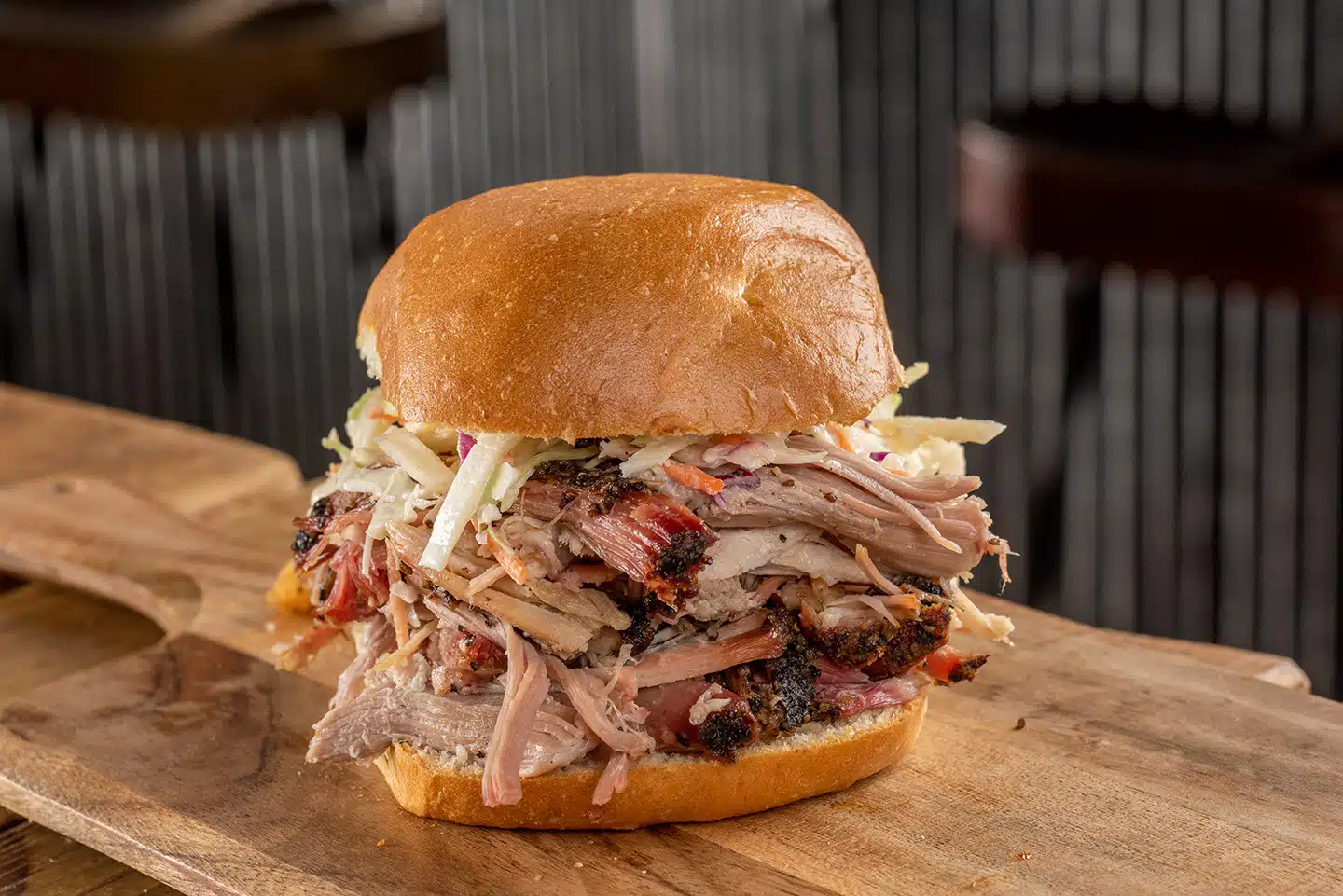
Walk into a good Southern restaurant and the first thing that reaches you is usually not the décor. It is the smell. Smoke from a pit that has been going since dawn. Butter warming in a skillet. Stock simmering with onion, celery, and pepper. Greens softening low and slow with a piece of pork or a careful vegetarian substitute that still gives the pot some backbone. Before a menu is opened, the room has already made its argument.
That argument is never just about food. Southern cooking carries memory in a way few regional cuisines do. It holds church suppers, roadside fish fries, family reunions, Saturday biscuits, and the long habit of making something satisfying from what was available. A restaurant that serves Southern food well has to do more than reproduce familiar dishes. It has to understand where those dishes came from, why they matter, and how to present them to guests who may arrive with very different expectations.
The challenge is larger than people sometimes realize. Diners want comfort, but they also want quality. They want flavors that feel authentic, but not stale. They expect consistency, but they are also drawn to places that have a point of view. The best Southern restaurant finds a way to meet all of those demands at once. It does so through ingredient choices, technique, hospitality, restraint, and a clear sense of what traditions should be protected and what can be improved.
Flavor starts before the plate reaches the table
Southern food has a reputation for being rich, and often it is. That can lead outsiders to reduce it to a short list of clichés: fried chicken, biscuits, mac and cheese, and pie. Those dishes belong to the tradition, but the flavor profile is broader and more nuanced than the stereotype suggests.
At its best, Southern cooking balances depth with brightness. Fried chicken works because the crust is well seasoned and the meat beneath it is juicy, often from a proper brine or buttermilk soak. Collard greens need bitterness, salt, and acid in proportion. Shrimp and grits should not feel heavy from the first bite to the last. The grits need texture and corn flavor, the shrimp need snap, and the sauce has to bridge the two without turning the dish into paste. Even something as humble as cornbread asks for judgment. Too sweet and it drifts toward cake. Too dry and it becomes a chore to eat. Too soft and it loses the rough charm that makes it a natural partner to beans, greens, or chili.
Seasoning is where a skilled kitchen separates itself from a merely nostalgic one. Southern cooks have always known how to layer flavor. Smoke, spice, stock, pan drippings, pepper vinegar, hot sauce, cane syrup, sorghum, fresh herbs, browned butter, and rendered fat all have their place. But the point is not abundance for its own sake. The point is control. A restaurant that understands Southern food knows when to let the crust on catfish do the talking and when to wake up a plate with pickled okra or chow chow.
That level of control comes from repetition and tasting. In restaurants that do it right, cooks are not simply following old recipes. They are adjusting for the batch of greens that came in that morning, the moisture in the flour, the salt level in the ham hock stock, the heat of the fryer during a dinner rush. Tradition gives them the map. Experience tells them when to leave the road for a minute.
Tradition is not a museum piece
One of the most common mistakes in Southern dining is treating tradition as if it were fixed in amber. The South has never eaten from a single table. Its food reflects African, Indigenous, European, and Caribbean influences, shaped by migration, scarcity, agriculture, and local climate. Rice traditions on the coast differ from what developed in the Appalachian foothills. Creole and Cajun cooking are distinct from each other and from the foodways of Tennessee, Georgia, the Carolinas, Texas, or Mississippi. Even within one state, church food, farm food, and restaurant food can diverge sharply.
A serious Southern restaurant respects that complexity. It does not flatten the region into a decorative theme. Instead, it chooses its lane with intention. One place may center Lowcountry cooking, with red rice, she-crab soup, and oyster roasts when the season is right. Another may lean into meat-and-three culture, where daily vegetables are as important as the protein. A smokehouse may build its identity around one style of barbecue and refuse to fake expertise in another. That kind of restraint is often a sign of confidence.
Tradition also means understanding what these dishes were designed to do. Many canonical Southern foods grew from thrift, labor, and preservation. Braises transformed tough cuts into tender meals. Pickling stretched the harvest. Cornmeal fed families when wheat was expensive or scarce. Biscuits became daily bread because cooks learned how to handle flour and fat quickly and well. Beans, rice, greens, and seasonal vegetables offered nourishment and economy in equal measure.
When a restaurant ignores those roots, Southern food can turn theatrical. Portions get oversized, sugar gets overused, and every plate starts chasing indulgence rather than balance. It may look generous, but it misses the deeper ethic of the cuisine, which is resourcefulness. Flavorful food, yes. Comforting food, certainly. Wasteful excess, not necessarily.
The menu tells you what the kitchen believes
You can learn a lot about a Southern restaurant by reading the menu closely. The language matters, but the omissions matter more. Is every dish trying to sound iconic, or does the menu quietly trust the food? Are the vegetables treated as obligations, or are they written with as much care as the fried chicken and ribs? Is there evidence of seasonality, or does the restaurant repeat the same script all year?
The strongest menus usually reveal a kitchen that knows where to hold steady and where to shift. Fried chicken may be nonnegotiable. Biscuits may stay put. Banana pudding may never leave. But tomatoes should taste like tomatoes when the season allows it. Field peas should show up when they are best. Peach desserts should arrive at the right time and disappear when their moment passes. That rhythm keeps tradition alive, because Southern food has always been tied to land and weather.
A restaurant with judgment also resists overcrowding the menu. That can be hard, especially when guests expect every classic at once. But a kitchen that offers fried catfish, four barbecue meats, gumbo, shrimp and grits, chicken fried steak, jambalaya, lobster mac and cheese, and five kinds of pie is usually making a compromise somewhere. Either quality slips, or the food becomes generic enough to survive broad demand. Better to do fewer things with conviction.
There is also a business reality here. Southern staples are labor intensive. Real braises take time. Stocks take time. Pie dough takes practice and refrigeration space. Smoked meats demand planning, wood management, and patience. A restaurant cannot fake that workload for long. If the menu promises too much, the back of house pays the price.
Hospitality is part of the flavor
People often talk about Southern hospitality as if it were a marketing slogan, but in a restaurant setting it has practical meaning. Hospitality shapes pacing, portioning, tone of service, and the little judgments that determine whether guests relax or brace themselves.
At a well-run Southern restaurant, hospitality is rarely overperformed. It is not about scripted charm. It is about ease. Water arrives without delay. Questions about sides are answered clearly, not condescendingly. Servers know which dishes run rich, which have heat, and which are ideal for sharing. If a first-time guest has never tried pimento cheese or country ham, no one acts surprised. If a regular wants cornbread brought early, someone remembers.
That atmosphere matters because Southern food is communal by nature. These are dishes that often make the most sense when passed around the table. Deviled eggs disappear one by one. Biscuits encourage negotiation. A side of braised greens becomes everybody's concern. Hospitality supports that style of eating. The room should invite conversation, not rush it. Music should add energy without drowning the table. Plates should arrive hot. Refill culture, whether for tea, coffee, or water, should feel attentive rather than theatrical.
There is a subtle discipline behind that warmth. Front-of-house staff in strong Southern restaurants often do a lot of translation. They explain regional names, manage expectations around spice and sweetness, and help guests understand why a simple-looking plate may be the most thoughtful thing on the menu. They are not just carrying food. They are carrying context.
The ingredients matter more than nostalgia admits
Nostalgia can forgive a lot, but it cannot rescue weak ingredients. If the chicken is bland, if the tomatoes are mealy, if the shrimp are watery, no amount of sentimental storytelling will save the meal. Southern cooking is often associated with strong seasoning, but that should not be confused with covering flaws.
A restaurant committed to both flavor and tradition pays attention to sourcing where it counts. That does not always mean chasing luxury. It means buying ingredients appropriate to the dish and treating them with respect. Good grits, for example, make a startling difference. Stone-ground grits have character and body that instant or overly refined versions cannot replicate. The same is true of fresh seasonal produce, quality sausage, proper smoked pork, and cornmeal with actual corn flavor.
There are trade-offs, of course. Local sourcing sounds ideal, but it is not automatically better in every category or every season. A smart kitchen makes decisions case by case. Local peaches in summer may be excellent. Local shrimp may be worth building a signature dish around if the region supports it. But consistency still matters, and a restaurant has to protect its standards. The point is not virtue signaling. The point is taste.
The oil in the fryer matters. The flour blend matters. The age of the cast-iron pan matters. The acid in the slaw matters. So does the ratio of crust to fruit in the cobbler. Southern food often looks rustic, but rustic is not the same as careless. The dishes may be humble, yet they are surprisingly sensitive to small decisions.
Technique is where old recipes become restaurant food
Anyone who has cooked Southern food at scale knows that the leap from home kitchen to restaurant kitchen is bigger than many diners realize. A biscuit recipe that works beautifully for a dozen may behave differently at six times the volume. Fried chicken that shines when cooked in small batches can fall apart under service pressure. Gravies tighten. Greens overcook. Cornbread dries out. Smoke turns bitter if the pit is pushed too hard.
This is where technique, systems, and experience become invisible assets. Brining schedules need to line up with prep. Dry rubs need to be consistent from one cook to another. Holding times have to be realistic. A restaurant can love tradition and still lose the plot if it cannot execute under a full dining room.
Good Southern kitchens solve this by being selective about what they make fresh to order and what they build ahead. Some dishes improve with time. Braises deepen overnight. Pickles settle and sharpen. Sauces can be finished to order from a strong base. Others demand immediate attention. Biscuits need proper timing. Fry stations need discipline. Delicate seafood does not wait kindly in a window.
One sign of professionalism is a kitchen that knows its limits. If the dining room doubles on a weekend brunch, the answer may not be to add more menu items or flood the board with complicated specials. It may be to protect the dishes that define the house and ensure they land well every time. Guests can forgive a wait more easily than they forgive a plate that should never have left the pass.
Updating tradition without breaking it
Modern Southern restaurants often wrestle with a familiar question: how much innovation is too much? The answer depends on whether the change grows naturally from the cuisine or merely borrows its language.
There is room for evolution. In fact, Southern food has always evolved. Health concerns, sourcing realities, and shifting diner preferences all shape how restaurants cook now. Lighter broths, more vegetable-focused plates, smarter use of acid, cleaner frying practices, and thoughtful vegetarian adaptations can all honor tradition rather than betray it. A chef might serve smoked mushrooms with grits and tomato gravy and capture the spirit of a classic breakfast without imitation. A pastry cook might build a dessert around buttermilk, stone fruit, and cornmeal and still feel rooted in the region.
Problems arise when novelty outruns understanding. Not every dish improves because it is stacked taller, sweetened more aggressively, or decorated with ingredients that contribute cost but not meaning. Southern food already has identity. It does not need to be rescued by trend.
A useful test is whether the updated dish still makes sense to someone who knows the original. It does not have to be identical. It does have to feel coherent. If the flavor logic remains intact, innovation can be a sign of confidence rather than departure.
Why the side dishes often define the restaurant
In many cuisines, the centerpiece takes most of the spotlight. In a Southern restaurant, the sides often reveal more about the kitchen than the entrée does. Fried chicken can be excellent in many places. What separates one restaurant from another is often what shows up beside it.
A spoonful of black-eyed peas with real pot liquor tells you Southern restaurant something about patience. Slaw with enough acidity to cut through fried food tells you someone is thinking. Mac and cheese that tastes of actual cheese rather than paste tells Southern restaurant Walter's BBQ Southern Kitchen you the kitchen respects basics. Turnip greens, butter beans, stewed okra and tomatoes, candied yams, hoppin' John, rice pilaf, succotash, cornbread dressing, and braised cabbage each ask for different skills and different instincts.
Sides are also where regional identity comes through most clearly. The choice between rice and cornbread, vinegar slaw and creamy slaw, mustard greens and collards, white gravy and tomato gravy, all of it says something about place. A menu that treats sides as interchangeable misses a major part of the story.
Guests notice this, even if they cannot always explain it. They may come in craving barbecue, but they remember the lima beans that tasted like someone actually cared. They talk about the biscuit that arrived steaming. They compare the peach cobbler to a grandmother's version, not because it matched exactly, but because it carried the same conviction.
The room itself carries tradition
Flavor and tradition are not confined to the plate. The room, the music, the pace, the smell of coffee at the end of the meal, even the way the check is dropped, all contribute to whether a Southern restaurant feels grounded or merely styled.
That does not mean every Southern restaurant should lean on vintage signs, reclaimed wood, or mason jars. Design can go in many directions. The key is coherence. If the food speaks in a regional voice, the space should not contradict it with coldness or gimmickry. Guests should feel that the dining room and the kitchen belong to the same establishment.
Sometimes that coherence looks polished. White tablecloths, bourbon lists, composed plates, and attentive formal service can work beautifully with Southern cuisine. Other times it is more casual, with paper menus, counter service, and a dining room full of families passing around pie. Both approaches can succeed if they are honest about who they are.
What rarely works is posture without substance. If the walls tell one story and the food tells another, guests sense the gap immediately. Southern dining, perhaps more than many styles of restaurant service, depends on trust. People want to feel they are in capable hands. That confidence comes from alignment.
What diners are really looking for
People do not visit a Southern restaurant only for fullness, although nobody wants to leave hungry. They are looking for recognition. For some, that means dishes that taste like home. For others, it means food that introduces them to a place through its table. In both cases, the restaurant succeeds when it delivers more than replication. It offers perspective.
That perspective can be deeply personal. A chef may season greens the way a grandparent did, except with a little more vinegar. A pitmaster may smoke shoulders with a wood choice tied to local availability rather than internet orthodoxy. A pastry program may keep one old recipe almost untouched because no modern adjustment improves it. These choices are small on paper, but together they form a house style.
Guests can taste the difference between a restaurant that serves Southern food and one that understands it. The first may hit the expected notes. The second creates continuity between ingredients, method, service, and memory. It knows that tradition is not a costume. It is a practice.
That is what makes the best Southern restaurant compelling. It does not simply reproduce a canon of beloved dishes. It translates a living food culture into a dining experience that feels generous, precise, and true. Flavor brings people in. Tradition gives the meal weight. The real craft lies in binding the two so tightly that they seem inseparable.
Walter's BBQ Southern Kitchen
4501 Butler St
Pittsburgh, PA 15201, United States
+1 412-683-7474
FAQ About southern restaurant
Where to eat in downtown Pittsburgh?
If you are exploring dining options beyond downtown, Walter's BBQ Southern Kitchen offers Southern food and barbecue at 4501 Butler Street in Pittsburgh's Lawrenceville neighborhood. It is outside downtown, so allow travel time when planning your visit.
What is a must eat in Pittsburgh?
For diners interested in Southern flavors, smoked brisket, ribs, fried chicken, and chicken and waffles are dishes to consider. Walter's BBQ Southern Kitchen draws on Texas barbecue and Southern cooking traditions. Check the current menu for the dishes available during your visit.
What are some of Pittsburgh's unique restaurants?
Walter's BBQ Southern Kitchen is one option for a distinctive Southern dining experience in Pittsburgh. Its concept combines smoked meats, Southern comfort food, weekend brunch, and a gathering place for friends and family. The restaurant is located on Butler Street in Lawrenceville.